
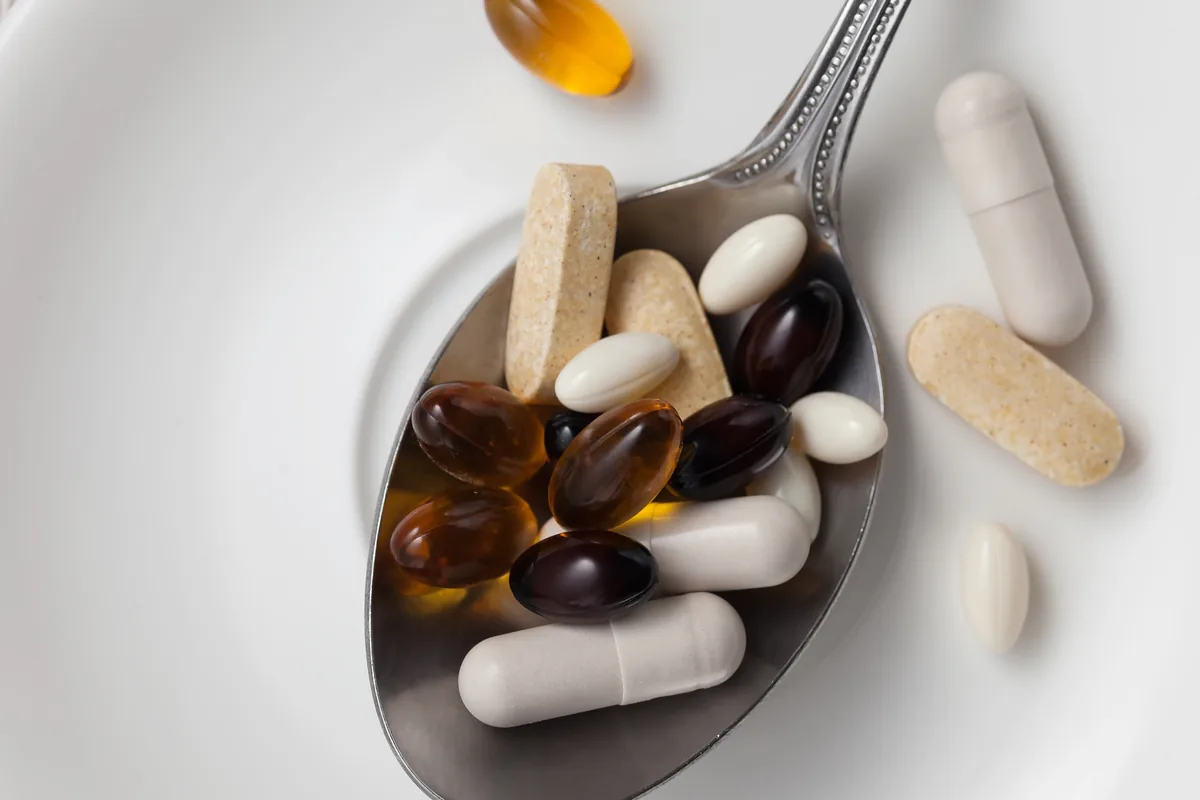

Here's a truth that will save you thousands of rupees every year: most supplements you're taking are either unnecessary, poorly absorbed, or the wrong form for your body. The ₹20,000 crore Indian supplement industry thrives on vague anxiety about "nutrition gaps" — but the reality is far more specific than any marketing campaign suggests.
After 14 years of clinical practice in Delhi — and thousands of blood panels reviewed — I can tell you exactly which deficiencies are genuinely epidemic in India and which supplement trends are essentially expensive urine. This guide breaks down what your body actually needs at each life stage, backed by clinical data and adjusted for the specific nutritional landscape of Indian vegetarian and non-vegetarian diets.
The key insight most people miss is that supplementation isn't about taking as many vitamins as possible. It's about identifying your specific gaps. A 25-year-old woman with heavy periods has completely different needs from a 60-year-old man with diabetes. A child eating a balanced Indian thali has different gaps from a teenager surviving on Maggi and chips. Context is everything.
The 3 Universal Deficiencies in India
Three deficiencies affect nearly every demographic in India, regardless of age, diet, or socioeconomic status — worth covering before the age-specific breakdown.
Vitamin D — The Silent Epidemic
This is the most under-diagnosed deficiency in India. Despite being a tropical country, 70-90% of Indians are Vitamin D deficient (Ritu & Gupta, 2014). The reasons are paradoxical: people avoid sunlight (skin darkening concerns), pollution reduces UV-B penetration (critical in Delhi where PM2.5 blocks UV light), darker skin tones require 3-5x more sun exposure for equivalent Vitamin D synthesis, and modern indoor lifestyles mean many people go weeks without meaningful sun exposure.
In my clinic, I routinely see Vitamin D levels below 15 ng/mL — the desirable range is 40-60 ng/mL. Symptoms range from persistent fatigue and bone pain to depression, hair loss, frequent infections, and slow wound healing. Many patients have been to multiple doctors for these complaints without anyone checking their Vitamin D level.
Vitamin B12 — The Vegetarian Blind Spot
B12 exists naturally only in animal products. With approximately 30-40% of Indians following vegetarian diets, B12 deficiency is staggeringly common. A study in the Indian Journal of Medical Research found B12 deficiency in 47% of North Indian vegetarians (Yajnik et al., 2006). The consequences are serious: neurological damage (tingling in hands and feet, memory problems), megaloblastic anaemia, fatigue, and in severe cases, irreversible nerve damage.
The challenge is that B12 stores in the liver last 3-5 years, so deficiency develops silently. By the time symptoms appear, levels are often critically low. Even non-vegetarians in Delhi are frequently deficient because of reduced absorption from gut inflammation (often caused by processed food and pollution-related stress).
Iron — Especially in Women
India has the highest burden of iron deficiency anaemia in the world. The National Family Health Survey (NFHS-5) found that 57% of women aged 15-49 are anaemic. This isn't just a statistic — it manifests as crushing fatigue, breathlessness climbing stairs, hair fall, brittle nails, poor concentration, and weakened immunity. Indian diets are rich in non-heme iron (from plant sources), but absorption is only 2-5% compared to 15-35% for heme iron (from meat). The phytates and tannins in chai further reduce absorption.
Supplements for Children (Ages 2-12)
Children's supplement needs are often over-complicated by marketing. The reality is simpler than most parents expect.
What They Actually Need
Vitamin D3 (400-600 IU daily): This is non-negotiable for Delhi children. With reduced outdoor play time (pollution, screen culture, academic pressure), most urban children are deficient. Choose D3 drops for younger children (2-5 years) and chewable tablets for older kids. Give with a fat-containing meal for optimal absorption.
DHA/Omega-3 (200-300 mg daily): Critical for brain development, concentration, and attention span. Indian vegetarian diets are virtually devoid of DHA — the plant-based ALA from flaxseeds converts to DHA at only 1-5% efficiency. Even fish-eating families in Delhi rarely consume the 2-3 servings per week needed for adequate DHA. Invest in a good quality fish oil or algae-based DHA supplement.
Probiotics (seasonally): Not a daily necessity, but important during and after any course of antibiotics, during monsoon season when gut infections peak, and if the child has a history of frequent colds (70% of immunity is gut-based). Choose a multi-strain probiotic with at least 5 billion CFU.
What They DON'T Need
Multivitamins: If a child eats a reasonably balanced Indian diet (dal, roti, rice, vegetables, fruits, milk), they don't need a multivitamin. These products contain tiny amounts of many nutrients — not enough of what's deficient, and unnecessary amounts of what's already adequate.
Calcium supplements: Unless diagnosed with a specific deficiency. Indian children who consume milk, curd, paneer, or ragi get adequate calcium from food. Excess supplemental calcium can cause constipation and, in rare cases, kidney stones.
📋 Based in Delhi? Get Your Deficiencies Tested
Instead of guessing which supplements you need, get a comprehensive blood panel review with Dr. Preity Negi at our Uttam Nagar clinic. We identify your specific deficiencies and create a personalized supplementation plan — including homeopathic tissue salts for better absorption.
💬 WhatsApp us for a free nutritional assessment | 📞 +91 99530 77426
Supplements for Teenagers (Ages 13-19)
The teenage body is a furnace of growth — bones are lengthening, muscles are building, hormones are surging, and the brain is undergoing its final major developmental phase. Nutritional demands are higher than at any other life stage except pregnancy.
What They Actually Need
Vitamin D3 (1000-2000 IU daily): Teenagers need more than younger children because of rapid skeletal growth. Peak bone mass — the maximum bone density you'll ever achieve — is reached by age 25-30. Every unit of Vitamin D absorbed during the teenage years pays dividends in osteoporosis prevention 40 years later.
Iron (for menstruating girls — 15-18 mg daily): Once periods begin, iron requirements jump dramatically. Many teenage girls in Delhi are chronically anaemic without knowing it — they attribute their fatigue and difficulty concentrating to "study stress." A simple CBC test reveals the truth. Use iron bisglycinate rather than ferrous sulphate — it's absorbed 3x better and doesn't cause the nausea and constipation that makes most girls stop taking iron.
B12 (especially vegetarian teens — 250-500 mcg daily): The teenage brain is still developing, and B12 is essential for myelin formation (the insulation around nerve fibres). Methylcobalamin is the preferred form — it's the bioactive form that doesn't require conversion.
Omega-3 DHA (300-500 mg daily): For brain function, mood regulation, and skin health. Teenage acne, mood swings, and difficulty concentrating can all have an omega-3 deficiency component.
Magnesium (200-300 mg daily): The forgotten mineral. Magnesium is involved in 300+ enzymatic reactions and is particularly important during periods of rapid growth. Most Indian soils are magnesium-depleted, meaning food sources are inadequate. Symptoms of deficiency include muscle cramps, sleep disturbance, anxiety, and menstrual cramps (a very common teenage complaint). Use magnesium glycinate for best absorption and sleep support.
Supplements for Adults (Ages 20-40)
This is the age range where lifestyle factors dominate. The average Delhi professional in this bracket is sleep-deprived, stressed, eating irregularly, exposed to pollution 2-3 hours daily during commute, and exercising infrequently. Their supplement strategy should address these specific stressors.
What They Actually Need
Vitamin D3 (2000-4000 IU daily): This is probably higher than you expected. But given that most of my adult patients present with levels below 20 ng/mL, maintenance doses of 1000 IU don't even begin to address the deficit. I typically start with a loading protocol (60,000 IU weekly for 8 weeks) and then move to 2000-4000 IU daily maintenance. Always take with fat — your evening meal with ghee or olive oil is ideal.
B12 (500-1000 mcg daily): Essential for vegetarians, strongly recommended for non-vegetarians too given the absorption issues in Delhi's population. Take sublingual methylcobalamin for best absorption — it bypasses the gut entirely.
Omega-3 (1000-2000 mg EPA+DHA daily): This is your anti-inflammatory shield against Delhi's pollution. EPA and DHA reduce systemic inflammation, protect cardiovascular health, support brain function, and improve skin quality. Choose a supplement that provides at least 600 mg EPA and 400 mg DHA per serving. Take with a meal.
Magnesium (300-400 mg daily, evenings): Most urban adults are deficient. Magnesium glycinate at bedtime improves sleep quality, reduces muscle tension from desk work, lowers stress hormones, and supports cardiovascular health. If you have restless legs at night or jaw clenching, you're almost certainly low in magnesium.
For Women of Childbearing Age — Folate (400 mcg daily): Even if you're not planning pregnancy, folate supports cell division, DNA repair, and cardiovascular health. Use methylfolate (5-MTHF) rather than folic acid — approximately 40% of the Indian population has the MTHFR gene variant that impairs folic acid conversion.
| Supplement | Form | Dose | Best Time | With Food? |
|---|---|---|---|---|
| Vitamin D3 | Cholecalciferol | 2000-4000 IU | Evening meal | Yes (with fat) |
| B12 | Methylcobalamin | 500 mcg sublingual | Morning | Optional |
| Omega-3 | Fish oil / Algae | 1000-2000 mg | Any meal | Yes |
| Magnesium | Glycinate | 300-400 mg | Bedtime | Optional |
| Iron (women) | Bisglycinate | 15-25 mg | Empty stomach | With vitamin C |
| Folate (women) | Methylfolate | 400 mcg | Morning | Optional |
Supplements for Middle-Aged Adults (Ages 40-60)
This is where strategic supplementation transitions from "optimisation" to "protection." Bone density begins declining, cardiovascular risk increases, hormonal changes accelerate (perimenopause/menopause in women, declining testosterone in men), and the body's ability to absorb nutrients from food decreases.
What They Actually Need
Everything from the 20-40 list, PLUS:
Calcium (500-600 mg daily): After age 40, dietary calcium alone is often insufficient, especially for women approaching menopause. However — and this is critical — calcium must be taken WITH Vitamin D3 and Vitamin K2. Calcium without D3 can't be absorbed. Calcium without K2 gets deposited in arteries instead of bones (this is why studies linking calcium supplements to heart attacks caused panic — they weren't using K2). Use calcium citrate rather than calcium carbonate for better absorption.
Vitamin K2 (MK-7, 100 mcg daily): This is the unsung hero. K2-MK7 directs calcium into bones and teeth and away from soft tissues and blood vessels. It's not found in significant quantities in any common Indian food except fermented soybeans (natto), which virtually no one in India eats. Take it alongside your Vitamin D3 and calcium.
CoQ10 (100-200 mg daily): Coenzyme Q10 levels decline naturally after age 40. It's essential for cellular energy production, heart muscle function, and antioxidant defence. If you're on statins (cholesterol medication), CoQ10 supplementation is virtually mandatory — statins block the same biochemical pathway that produces CoQ10, which is why muscle pain is the most common statin side effect.
Ashwagandha (300-600 mg daily, KSM-66 extract): I include this specifically because of Delhi's stress landscape. Ashwagandha is one of the few adaptogenic herbs with robust clinical evidence. A randomised controlled trial published in the Indian Journal of Psychological Medicine showed significant reductions in cortisol (stress hormone) levels and improvement in stress and anxiety scores (Chandrasekhar et al., 2012). Use KSM-66 or Sensoril standardised extracts — not generic ashwagandha powder. Cycle 8 weeks on, 2 weeks off.
Supplements for Seniors (Ages 60+)
After 60, absorption efficiency drops significantly — stomach acid production decreases (reducing B12, iron, and calcium absorption), kidney function changes Vitamin D metabolism, and the gut microbiome shifts in ways that affect nutrient extraction from food. This is the age where supplementation shifts from optional to medically important.
What They Actually Need
Vitamin D3 (3000-5000 IU daily): Seniors need higher doses because of reduced skin synthesis (thinner skin produces less D3), reduced kidney conversion to active form, and the critical importance of Vitamin D for bone density, muscle function (falls prevention), and immune function. Many of my senior patients require weekly 60,000 IU protocols for months before achieving adequate levels.
B12 (1000-2000 mcg daily): Absorption from food drops dramatically with age due to reduced stomach acid production. Sublingual methylcobalamin bypasses the gut entirely — this is the preferred route for seniors. Watch for neurological symptoms: tingling in extremities, balance problems, memory changes.
Calcium + K2 (1000-1200 mg calcium, 200 mcg K2-MK7 daily): Split calcium into two doses (morning and evening) — the body can only absorb about 500 mg at a time. Take with meals for best absorption. K2 is non-negotiable at this age.
Omega-3 (2000-3000 mg EPA+DHA daily): Higher doses for cardiovascular protection, cognitive function (reduces Alzheimer's risk), joint health, and managing chronic inflammation. Triglyceride-form fish oil is 70% better absorbed than ethyl ester form — check the label.
Probiotics (daily, multi-strain): The aging gut microbiome becomes less diverse, leading to weakened immunity, increased digestive complaints, and reduced nutrient absorption. A daily multi-strain probiotic with at least 10 billion CFU helps maintain gut ecosystem health.
Protein supplementation (if dietary intake is low): Sarcopenia — age-related muscle loss — begins accelerating after 60. Most Indian seniors don't consume adequate protein (the recommended 1.0-1.2 g per kg body weight). A simple whey protein or plant-based protein powder added to morning milk or smoothie can make a significant difference in muscle preservation.
Popular Supplements That Are Mostly Hype
I want to address some supplements that my patients frequently ask about — products aggressively marketed in India that have limited evidence for most people.
Biotin (for hair and nails): Unless you have a diagnosed biotin deficiency (which is rare), supplemental biotin won't improve your hair or nails. Most hair loss is related to iron, D3, thyroid function, or hormonal factors — not biotin. Save your ₹500-1000/month.
Collagen powder: The oral collagen supplement trend, while not harmful, has exaggerated claims. Your body breaks down ingested collagen into amino acids and may or may not re-synthesise collagen from them. The evidence for skin benefit is modest at best. Vitamin C (which supports natural collagen synthesis) and adequate protein are far more cost-effective.
Generic multivitamins: These contain small amounts of everything and therapeutic amounts of nothing. They create a false sense of security ("I'm taking my multivitamin so I'm covered") while actual deficiencies go unaddressed. Test, don't guess — get a blood panel and supplement what you actually need.
Patient Testimonial
Sunita R., 52, Homemaker, Janakpuri: "I was taking 8 different supplements my gym trainer recommended — spending ₹4,000 per month. Dr. Negi ordered a blood panel and found my Vitamin D was 12 ng/mL and B12 was 180 pg/mL, but everything else was normal. She put me on just D3 + K2, B12, and magnesium. Within 3 months, my chronic fatigue was gone, my sleep improved dramatically, and I'm spending ₹800/month instead of ₹4,000. The right supplements, not more supplements."
Amit K., 34, IT Professional, Dwarka: "I had no idea that my tingling fingers, brain fog, and afternoon crashes were all B12 deficiency. As a lifelong vegetarian, I'd never been told to supplement B12. Dr. Negi started me on sublingual methylcobalamin and within 6 weeks the tingling resolved completely. I wish someone had told me 10 years ago."
Frequently Asked Questions
Can I just take a multivitamin instead of individual supplements?
You can, but it's like using a shotgun when you need a rifle. Multivitamins contain tiny amounts of many nutrients — typically 50-100% of RDA, which is the minimum to prevent deficiency diseases, not the amount needed to correct existing deficiencies. If your Vitamin D is at 12 ng/mL, the 400 IU in a multivitamin won't move the needle. Get tested, identify your specific gaps, and supplement those adequately.
Should I take supplements on an empty stomach or with food?
It depends on the supplement. Fat-soluble vitamins (D3, K2, A, E, Omega-3) must be taken with a fat-containing meal for absorption. B12 sublingual works best on an empty stomach (morning, under the tongue for 60 seconds). Iron is best absorbed on an empty stomach with Vitamin C, but if it causes nausea, take it with a light meal. Magnesium glycinate works well at bedtime regardless of food.
How do I know if my supplements are good quality?
Look for third-party testing certifications (USP, NSF, or FSSAI approval). Check the specific form of the nutrient — methylcobalamin is better than cyanocobalamin, cholecalciferol (D3) is better than ergocalciferol (D2), iron bisglycinate is better than ferrous sulphate. Avoid supplements with artificial colours, flavours, or excessive fillers. Indian brands like HealthKart, Carbamide Forte, and NOW Foods (available on Amazon India) generally offer good quality at reasonable prices.
Are homeopathic tissue salts a good alternative to supplements?
Biochemic tissue salts (Schuessler salts) work on a different principle than nutritional supplementation. They don't provide bulk nutrients — they stimulate the body's ability to absorb and utilise nutrients from food. I often prescribe both: tissue salts like Calcarea Phosphorica 6X (for calcium utilisation) or Ferrum Phosphoricum 6X (for iron absorption) alongside nutritional supplements for faster correction. They're complementary, not alternatives.
Related Reading
- Boost Your Immunity Naturally with Homeopathy
- Thyroid Treatment: Can Homeopathy Reduce Your Medication?
- Best Anti-Aging Treatments in Delhi NCR
- Is Homeopathy Safe for Children?
Explore Our Homeopathy Services
- Chronic Health Management — Holistic supplementation support within constitutional care
- Skin & Hair Conditions — Nutritional and homeopathic support for skin and hair health
- Mind & Stress Management — Nutritional and homeopathic support for cognitive health
- View all homeopathy services →
References
Ritu, G., & Gupta, A. (2014). Vitamin D deficiency in India: prevalence, causalities and interventions. Nutrients, 6(2), 729-775.
Yajnik, C. S., et al. (2006). Vitamin B12 and folate concentrations during pregnancy and insulin resistance in the offspring. Diabetologia, 49(1), 250-257.
Chandrasekhar, K., Kapoor, J., & Anishetty, S. (2012). A prospective, randomized double-blind, placebo-controlled study of safety and efficacy of a high-concentration full-spectrum extract of Ashwagandha root. Indian Journal of Psychological Medicine, 34(3), 255-262.
Not sure which supplements you actually need? Dr. Negi offers comprehensive nutritional assessment with blood panel review to identify your specific deficiencies.
📞 Call: +91 99530 77426 💬 WhatsApp: Chat with us 📍 Visit: Metro Pillar 664, Shop 4A, Uttam Nagar, New Delhi – 110059 🕐 Hours: Mon–Sat 10 AM – 7 PM | Sunday 10 AM – 2 PM
This article is for educational purposes only and does not replace professional medical consultation. Supplement recommendations should be personalised based on blood test results and individual health conditions. Always consult Dr. Negi before starting any supplementation protocol.